ATC LHR Mid-Rise vs LED Truck Cap: Which Cap Fits Your Build?
Choosing between two of our most popular truck cap designs — the LHR Mid-Rise and the LED — comes down to how you use your truck and what you need from the bed. Both caps share our commercial-grade aluminum construction and weather-sealed design, but they solve different problems.
The LHR Mid-Rise prioritizes interior standing room and cargo volume, while the LED integrates factory lighting into a lower-profile shell. This ATC truck cap comparison walks through construction differences, height trade-offs, and real-world fitment scenarios so you can pick the cap that matches your build.
Construction and Material Differences Between the Two Caps
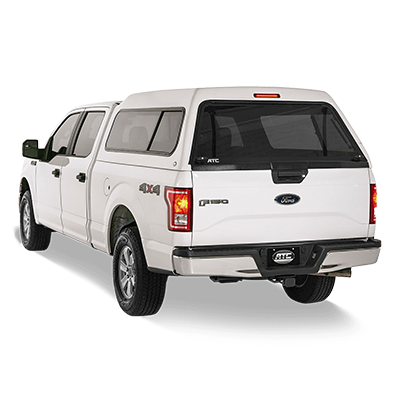
Both the ATC LHR Mid-Rise Truck Cap and the ATC LED Truck Cap use .050-inch aluminum side panels and reinforced corner posts, the same material spec we use across our commercial fleet lineup. The LHR frame extends 8 inches higher at the centerline, which requires additional bracing along the roof bow to maintain rigidity under load.
The LED cap’s lower roofline allows us to integrate the lighting harness into the cap structure itself rather than routing wires through an aftermarket install. That difference shows up in how each cap handles accessory mounting — the LHR offers more interior attachment points for ladder racks and cargo systems, while the LED’s flush-mount lighting leaves the exterior cleaner for AVS Bug Deflectors or other aerodynamic accessories.
Window and Glass Configurations
The LHR Mid-Rise ships with taller side glass panels to match the increased interior height, using the same tempered automotive glass as our standard caps but cut to fit the extended frame. The LED uses our standard glass height, which keeps ATC Truck Cap Replacement Window availability broader if you ever need to replace a panel after road debris damage. Both caps accept sliding front windows and rear barn doors or single-piece lift gates depending on your access preference.
Height and Interior Space: What the 8-Inch Difference Means
The LHR Mid-Rise measures 26 inches from bed rail to roof centerline on a standard full-size truck bed, compared to 18 inches for the LED cap. That extra 8 inches translates to genuine standing room for anyone under 5’8″ working inside the bed, which matters if you’re rigging gear, organizing tools, or changing clothes at a trailhead.
The LED’s lower profile sits flush with most cab rooflines, reducing wind resistance at highway speeds and keeping overall vehicle height under 7 feet for garage and car wash clearance. SAE J1455 defines truck accessory height measurement standards, and the LED keeps most builds within standard vehicle height regulations without requiring additional permits.
Cargo volume differs by roughly 18 percent between the two designs when measured from bed floor to interior roof, assuming a 6.5-foot bed. The LHR holds taller items like standing toolboxes, water cans, or stacked storage bins, while the LED trades vertical space for better fuel economy and reduced crosswind push on open highways.
Integrated Lighting vs Aftermarket Add-Ons
The LED cap’s factory-wired lighting system runs off your truck’s existing third brake light circuit, so the LED strip activates with your brake pedal and stays on as a cargo light when you open the rear door. The system draws 1.2 amps and mounts flush inside the cap’s rear header panel, eliminating the need for external light bars or stick-on strips.
The LHR Mid-Rise doesn’t include integrated lighting, which means you’ll either run aftermarket LED strips inside the cap or mount an external light bar to the roof. That approach gives you more control over brightness and beam pattern, but it also adds wiring complexity and potential leak points if the install isn’t sealed properly.
Power and Wiring Considerations
Both caps ship with pre-drilled cable pass-throughs along the front bulkhead for running auxiliary power, 12V accessory circuits, or trailer wiring into the bed. The LED’s lighting harness occupies one of those grommets, leaving two open for your own add-ons. The LHR keeps all three grommets available, which matters if you’re running multiple power-hungry accessories like inverters, air compressors, or refrigerator units.
Fitment and Installation Across Truck Models
Both caps mount using our universal clamp system, which adjusts to fit bed rails from Ford, Chevrolet, Ram, and Toyota trucks without requiring model-specific drilling. The LHR’s additional height does affect rear visibility on short-cab trucks — the cap roofline sits above the rearview mirror sightline on single-cab models, while extended and crew cabs maintain clear visibility through the rear window.
The LED’s lower profile keeps the roofline within rearview mirror range on every cab configuration, which is why it’s our most common choice for daily drivers and trucks that tow frequently. Both caps accept our full range of ATC Truck Cap Parts & Accessories, including ladder racks, roof racks, and side-mount tool storage.
Installation time runs about 45 minutes for either cap with two people, assuming the bed is clear and the rail surfaces are clean. The LHR requires a second set of hands to guide the cap into place due to the extra height and wind catch, while the LED’s lower profile makes it easier to position solo if you’re installing without help.
Matching Cap Height and Features to Your Actual Truck Use
The decision between the LHR Mid-Rise and LED comes down to whether you value interior workspace or aerodynamic efficiency more. The LHR makes sense if you’re regularly organizing tools, rigging gear, or need genuine standing room inside the bed. The LED fits better if you’re prioritizing fuel economy, garage clearance, or integrated lighting without aftermarket wiring.
Both caps deliver the same weather sealing, aluminum durability, and accessory compatibility we build into every design. The right choice depends on how your truck actually gets used day to day, not which cap carries more features on paper.
Common Questions About LHR Mid-Rise and LED Cap Selection
Yes, both caps accept our bolt-on roof rack system using the pre-drilled mounting points along the roof bows. The LHR Mid-Rise offers higher clearance for taller cargo on the rack, while the LED keeps overall vehicle height lower when the rack is loaded.
Both racks use the same mounting hardware and support up to 300 pounds of evenly distributed static weight.
Independent testing shows a 1-2 MPG reduction at highway speeds compared to a standard-height cap, depending on driving conditions and cab configuration. The increased frontal area creates more aerodynamic drag, especially in crosswinds.
The LED cap’s lower profile produces drag numbers nearly identical to no cap at all, which is why fleet customers running high annual mileage typically choose the LED for fuel cost reasons.
The LHR Mid-Rise provides enough interior height to sit upright on a sleeping platform, which makes it the better choice if you’re building a bed-based camper system. The LED requires a lower sleeping position but still accommodates full-length mattresses and storage underneath.
Both caps accept our sliding side windows for cross-ventilation, and both seal well enough to handle rain and dust during multi-day trips.
Both caps fit trucks dating back to the early 2000s as long as the bed dimensions match our standard templates. Older trucks with non-standard bed widths or custom modifications may require shim kits to ensure a weather-tight seal.
We recommend measuring your bed rail width and length before ordering, especially if the truck has aftermarket bed liners or rail covers installed.
Yes, both caps use the same clamp mounting system, so swapping from an LHR to an LED or vice versa takes about an hour with no permanent modifications to the truck. The clamps remain on the bed rails, and the caps lift off with two people.
If you’re unsure which cap fits your current use case, starting with the LED gives you the flexibility to upgrade to the LHR later without re-drilling or changing hardware.
Both the LHR Mid-Rise and LED caps carry our standard three-year warranty on aluminum structure and one-year coverage on glass, seals, and hardware. The LED’s integrated lighting system is covered under the same one-year accessory warranty.
Warranty claims require original proof of purchase and cover manufacturing defects, not damage from accidents or improper installation.